
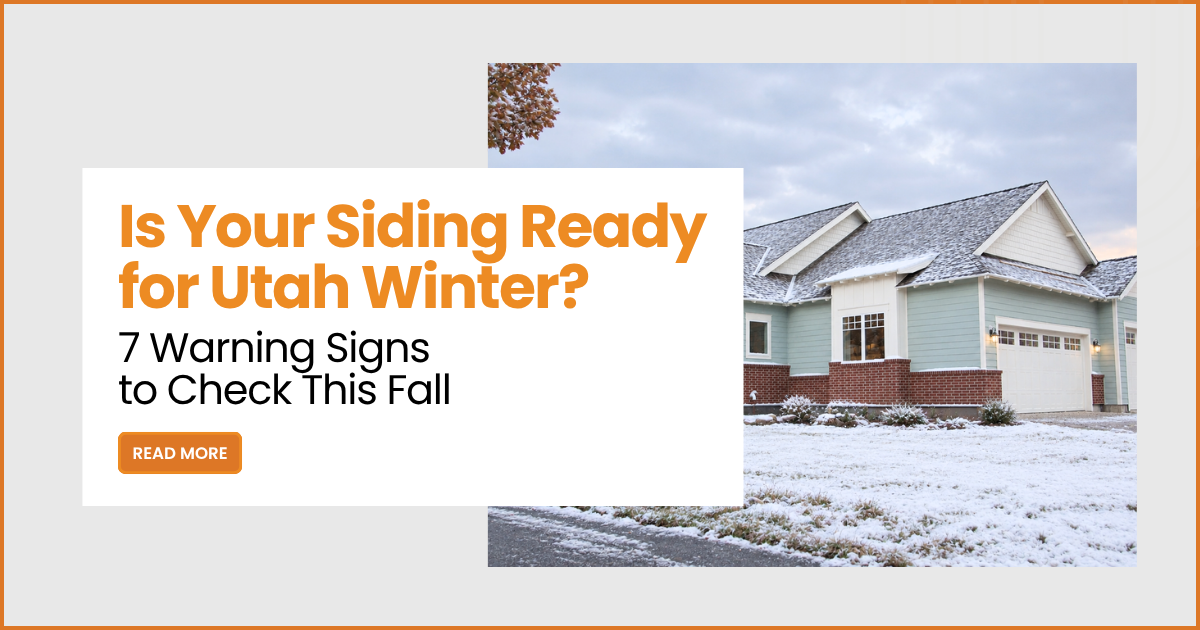
As temperatures begin to drop across Utah, fall is a good time to check your home’s siding before winter weather arrives. Snow, moisture, strong winds, and repeated freezing and thawing can put stress on your home’s exterior, especially if parts of the siding system are already damaged.
The good news is that you do not need to be a construction expert to spot potential problems. A simple walk around your home can help you identify loose panels, damaged caulking, peeling paint, and other warning signs that may deserve attention.
Knowing what to look for can help you decide whether routine maintenance, a repair, or a closer professional evaluation makes sense.
Here are seven siding warning signs to check this fall before Utah’s freezing weather sets in.
1. Loose, Warped, or Rattling Siding Panels
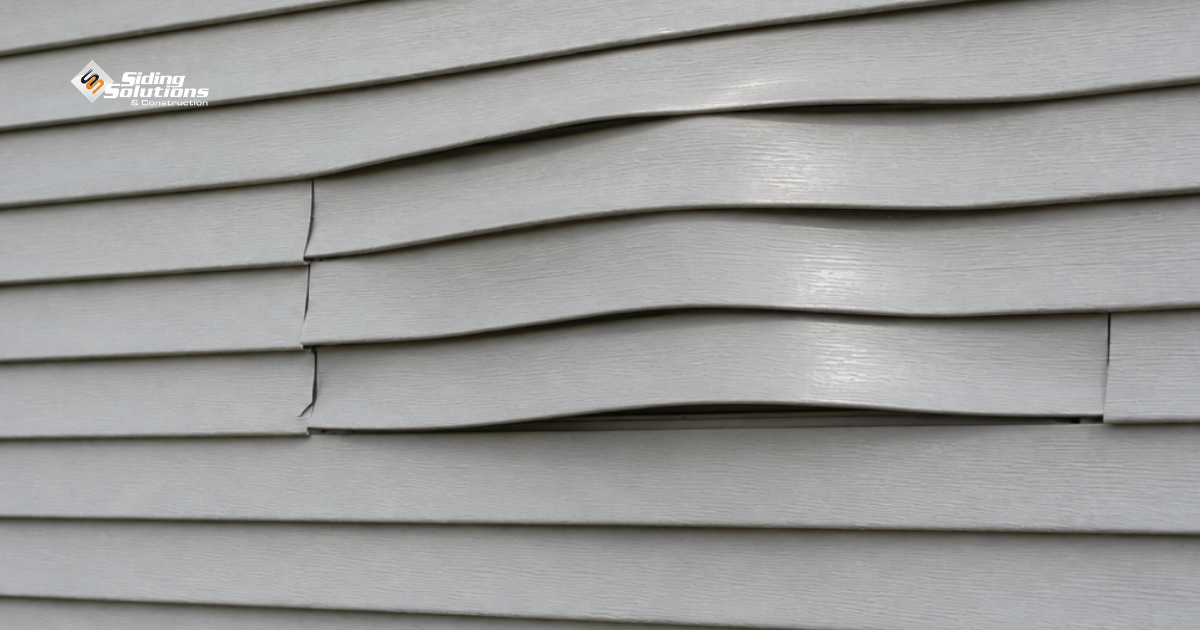
Walk around your home and look for siding panels that appear uneven, bent, separated, or out of alignment. If you notice panels rattling during windy weather, their attachment may need attention.
Loose or warped siding can develop for several reasons, including improper installation, impact damage, material movement, or exposure to changing temperatures.
Why it matters in winter: Gaps or loose sections may allow more wind-driven rain, snow, or moisture to reach areas behind the siding. Snow and ice can also make later repairs more difficult.
What to do: Look for visible gaps, lifted edges, and panels that no longer sit evenly. Avoid pulling on the panels or trying to force them back into place. If the damage is widespread or the cause is unclear, have the affected area evaluated.
2. Cracked or Missing Caulking Around Windows and Doors
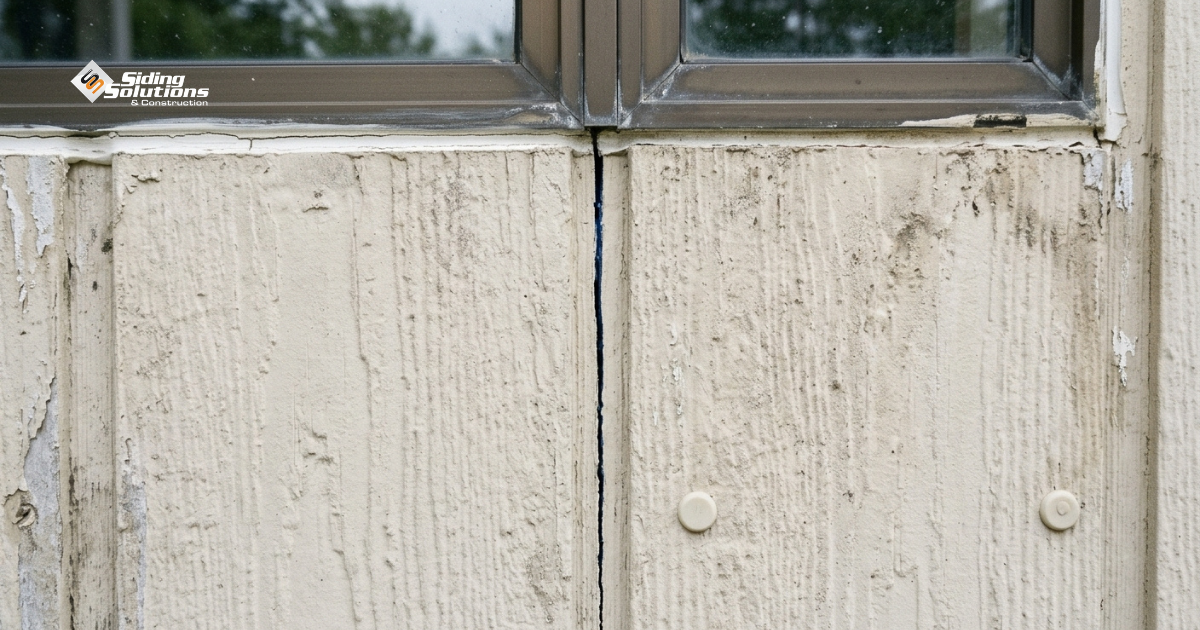
Caulking helps seal certain joints around windows, doors, trim, and other exterior openings. Over time, it can shrink, crack, separate from a surface, or deteriorate from weather exposure.
Check the visible sealant around your home’s windows and doors. Look for open gaps, brittle material, or sections where the caulking has pulled away from the adjoining surfaces.
Why it matters in winter: Damaged seals may allow water to enter vulnerable joints. When moisture gets into gaps and freezes, it can contribute to further deterioration.
What to do: Determine whether the sealant needs repair or replacement. The correct product and application method depend on the materials and joint being sealed. Caulking should not be used to cover every siding gap because some siding systems require space for expansion or drainage.
3. Peeling Paint, Bubbling, or Discoloration
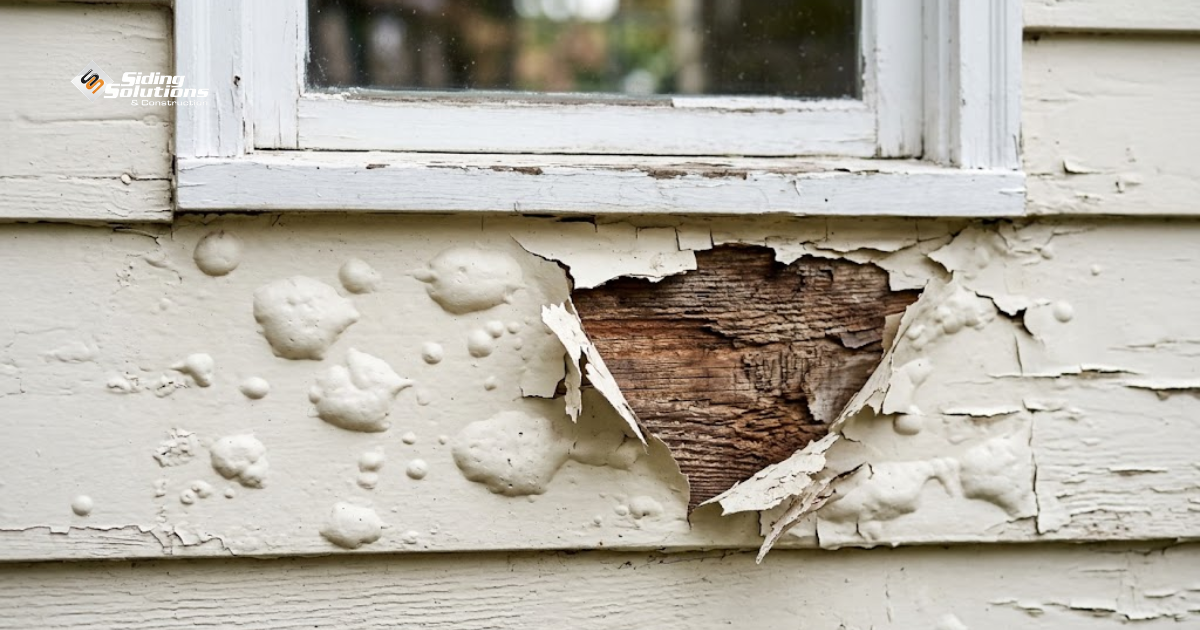
If your home has painted wood siding or trim, check for peeling paint, bubbling, flaking, or unusual discoloration. These changes can be signs of weathering, failed paint adhesion, or moisture exposure.
Also look for areas where the paint finish appears noticeably different from the surrounding surface.
Why it matters in winter: Exposed wood may absorb moisture more readily than a properly maintained painted surface. Repeated wetting and freezing can contribute to additional deterioration.
What to do: Identify the affected material and investigate the underlying cause before repainting. Simply applying a fresh coat of paint may not address moisture problems or damaged wood beneath the finish.
Keep in mind that fading or peeling paint does not automatically mean your entire siding system needs replacement. The extent of the damage and the condition of the material help determine the appropriate next step.
4. Soft, Rotted, or Damaged Trim
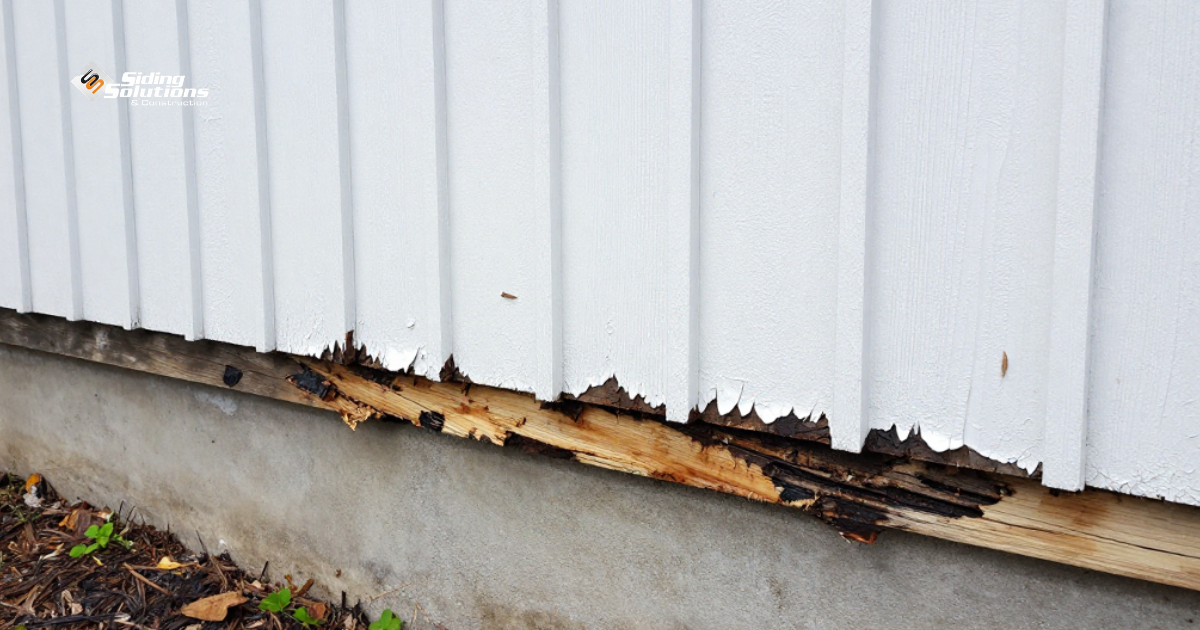
Pay special attention to trim around windows, doors, corners, and the lower edges of exterior walls. Look for swollen wood, crumbling sections, dark staining, peeling finishes, or areas that appear to be deteriorating.
Trim can be particularly vulnerable where water collects, drainage is poor, or protective coatings have worn away.
Why it matters in winter: Moisture-damaged trim may continue to deteriorate when exposed to cold, wet conditions. Damage near openings can also point to a problem with flashing, sealant, or water management.
What to do: Do not rely on paint or caulking to hide soft or rotted material. The affected trim may need repair or replacement, and the source of the moisture should be identified to help prevent the problem from returning.
If you suspect rot, avoid probing the area aggressively or damaging the surrounding finish.
5. Gaps Around Corners, Seams, or Siding Transitions
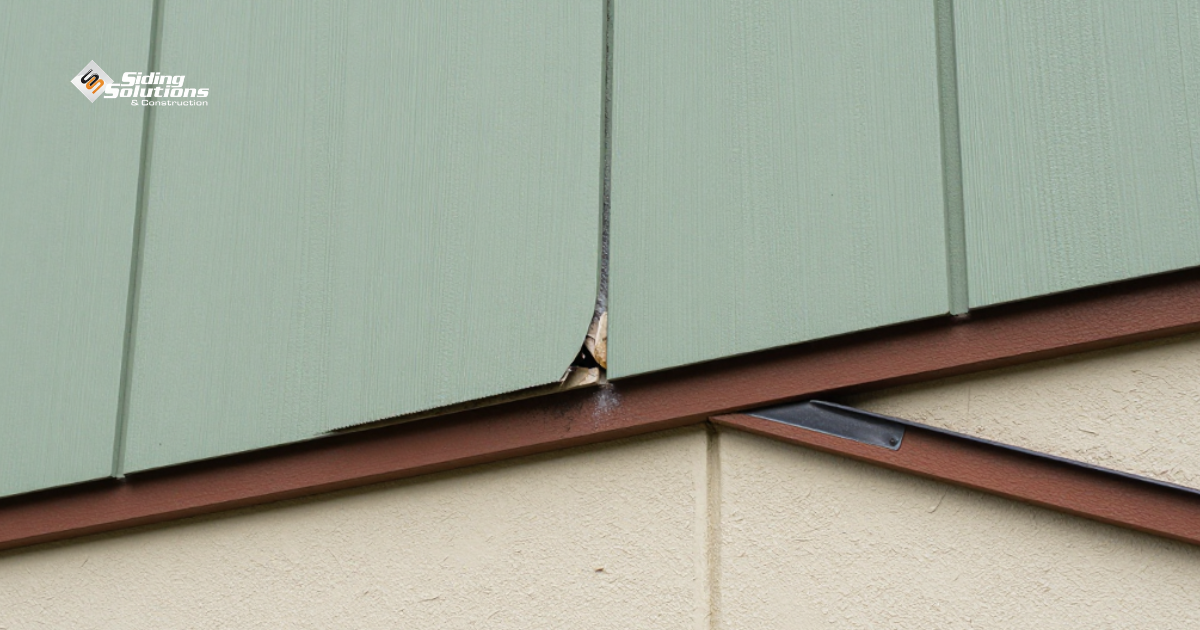
Corners, seams, and transitions between different exterior materials deserve a closer look during your fall inspection. Check where siding meets corner trim, rooflines, window frames, doors, or other materials.
Look for visible gaps, separated trim, missing pieces, or areas where the siding no longer fits together as expected.
These issues can result from material movement, installation problems, impact damage, or deterioration of the components around the joint.
Why it matters in winter: Water can enter vulnerable areas when the siding system’s flashing, drainage, or sealing details are not working as intended. Freezing temperatures can make existing moisture-related damage more difficult to address.
What to do: Pay attention to where the gap is located and whether nearby materials show staining or damage. Do not automatically fill every opening with caulk. Some joints need specific flashing or drainage details to manage water correctly.
6. Signs of Moisture Behind the Siding
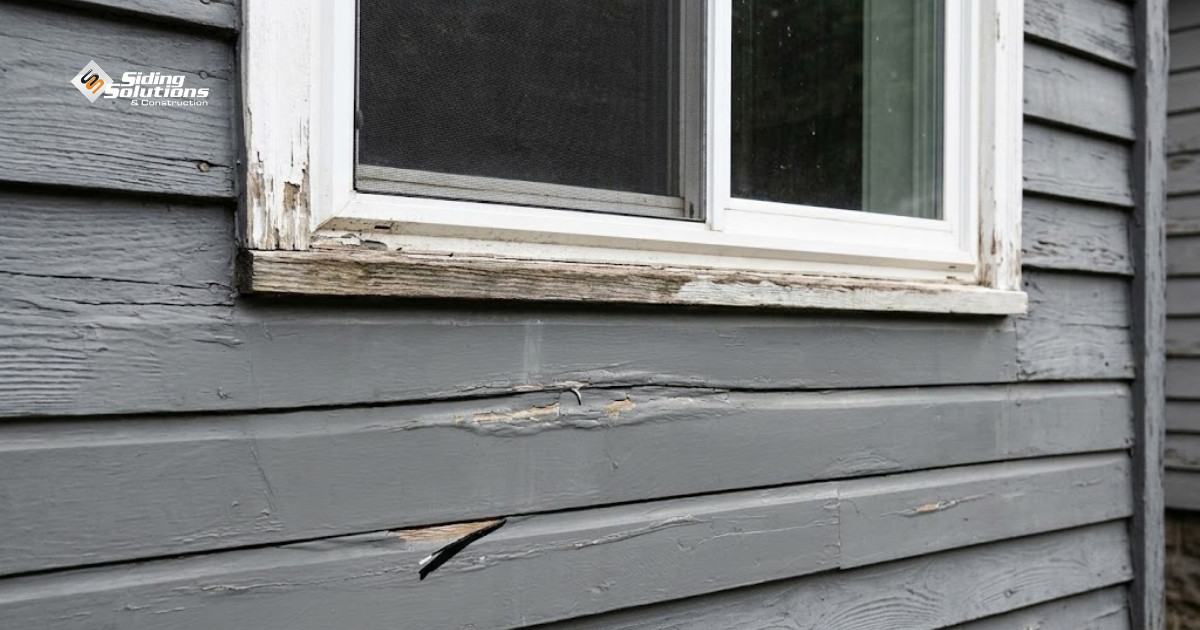
Some siding problems begin behind the visible exterior surface. You may not be able to see the full extent of the damage, but certain signs can indicate that moisture deserves further investigation.
Watch for:
- Dark stains or recurring discoloration on siding or trim.
- Paint that repeatedly bubbles or peels in the same area.
- Soft or deteriorating exterior materials.
- Water stains near windows, doors, or wall joints.
- Musty odors inside near an exterior wall, especially when accompanied by visible signs of moisture.
Not every stain indicates hidden water damage. Dirt, aging finishes, and other conditions can produce similar changes.
Why it matters in winter: Moisture trapped within an exterior wall assembly can contribute to material deterioration. When temperatures fluctuate around freezing, water can freeze and thaw in vulnerable areas.
What to do: Look for patterns. If staining returns after cleaning or repainting, or if you notice multiple warning signs in the same location, consider having the area evaluated. A professional may need to inspect the siding, flashing, drainage plane, and surrounding materials to determine the source.
7. Damaged Siding Near the Foundation or Roofline
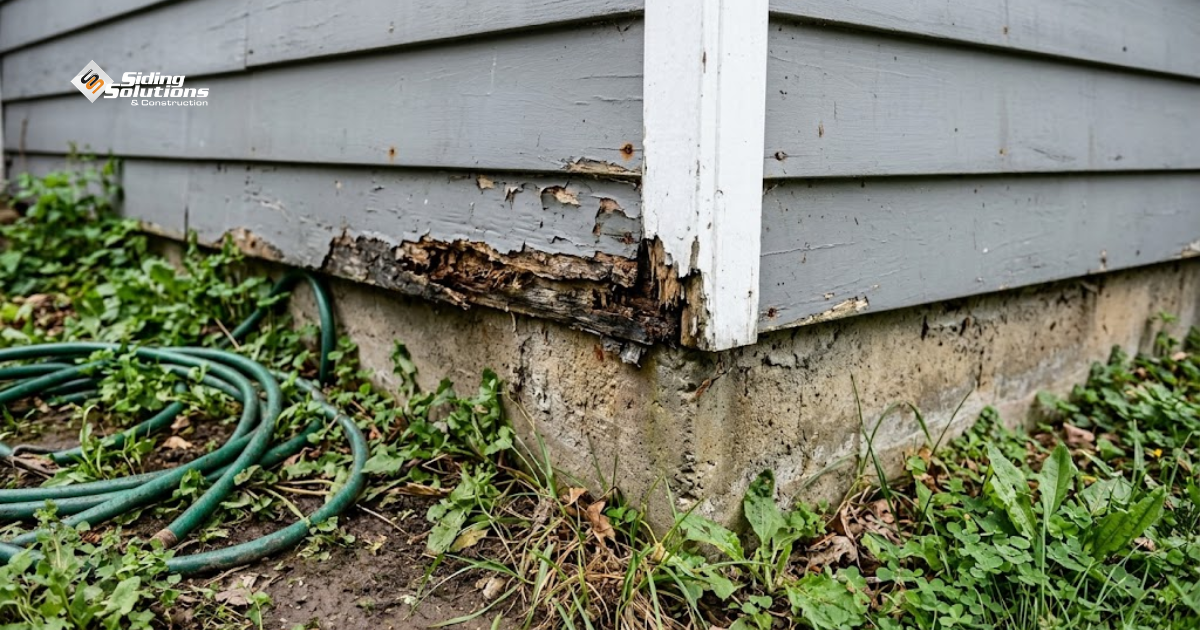
The lower edges of siding and the areas near the roofline are worth checking before winter. These locations may experience moisture exposure from rain, snow accumulation, roof runoff, or drainage problems.
Look for siding that is cracked, swollen, loose, or unusually close to the ground. Near the roofline, check for visible damage, loose sections, or gaps around adjoining materials.
Why it matters in winter: Snow accumulation and melting can expose vulnerable areas to repeated moisture. Poor drainage or damaged flashing may also allow water to reach parts of the exterior wall that should remain protected.
What to do: Check whether water drains away from the house and whether gutters and downspouts direct runoff appropriately. Avoid piling snow against siding, and do not attempt roofline inspections that require climbing onto a roof or ladder in unsafe conditions.
The correct clearance and drainage details depend on the siding system, foundation, and installation requirements. If you see persistent moisture or damaged materials, investigate the underlying cause rather than treating only the visible surface.
How to Prepare Your Siding for Utah Winter
After checking these seven warning signs, take a few practical steps to help maintain your home’s exterior.
- Clean your gutters. Remove accumulated leaves and debris so water can drain properly.
- Check downspouts. Make sure they direct water away from the foundation.
- Inspect accessible areas from the ground. Use binoculars to examine higher sections instead of climbing onto a roof.
- Document visible damage. Take photos of cracked panels, damaged trim, or recurring stains so you can monitor changes.
- Address known moisture problems. Avoid postponing an investigation when you notice soft materials, recurring water stains, or deteriorating joints.
- Follow material-specific maintenance guidance. Vinyl, fiber cement, cedar, and other siding materials have different maintenance and repair requirements.
Remember that not every imperfection requires immediate repair or full siding replacement. The goal is to identify potential problems, understand their cause, and determine what action is appropriate for your home’s condition.
Common Siding Inspection Mistakes to Avoid
A fall inspection is most useful when you look beyond cosmetic issues.
Painting over damaged areas without investigating the cause: Peeling paint may be a surface problem, but it can also indicate moisture exposure or deteriorating material.
Caulking every visible gap: Some openings serve a purpose in the siding system. Blocking them incorrectly can interfere with drainage or material movement.
Assuming one damaged panel means the entire exterior needs replacement: Localized damage may be repairable, depending on the siding material, availability of matching components, and condition of the surrounding area.
Waiting for a leak inside the house: Exterior damage can exist before water becomes visible indoors. Pay attention to recurring stains, soft trim, and separated joints.
Inspecting only the siding itself: Gutters, flashing, roof edges, and drainage around the foundation can all affect how water interacts with your home’s exterior.
A careful visual inspection helps you recognize concerns, but it cannot confirm the condition of concealed materials behind the siding.
When Should You Call a Siding Professional?
Consider a professional evaluation if you find widespread loose panels, recurring water stains, soft or rotted trim, persistent gaps, or damage around windows and rooflines.
A qualified exterior contractor can help determine whether the issue involves the siding itself or another part of the wall assembly. Depending on the findings, the appropriate solution may involve a localized repair, replacing damaged materials, correcting flashing or drainage details, or considering a larger siding project.
Siding Solutions & Construction is a family-owned exterior construction company serving homeowners throughout Utah. If you are unsure about the condition of your siding before winter, an inspection can help you better understand the visible concerns and the next steps worth considering.
You do not need to wait until a problem becomes more noticeable to ask questions about your home’s exterior.
Frequently Asked Questions
1. When should I inspect my siding before winter in Utah?
Fall is a practical time to inspect your siding before freezing temperatures and winter storms arrive. Check for loose panels, damaged caulking, peeling paint, deteriorating trim, and signs of moisture.
2. Can cold weather make siding damage worse?
It can. Repeated freezing and thawing may affect moisture-exposed materials and vulnerable joints. The extent of the impact depends on the siding material, the source of moisture, and the condition of the exterior system.
3. Does loose siding always need to be replaced?
No. A loose panel may need reattachment or a localized repair. Replacement may be appropriate if the panel is cracked, warped, or otherwise damaged beyond repair. The cause of the problem should also be addressed.
4. How can I tell if water is getting behind my siding?
Possible warning signs include recurring stains, peeling paint, soft trim, deteriorating materials, and water stains around windows or doors. These signs do not confirm hidden moisture damage, so further evaluation may be necessary.
5. Should I caulk siding gaps before winter?
Not every gap should be caulked. Some joints require sealant, while others need flashing, proper overlap, or space for drainage and material movement. The correct approach depends on the siding system and location of the gap.
6. Can I repair siding during winter?
Some siding repairs may be possible during winter, depending on weather conditions, material requirements, and the type of work involved. Cold temperatures can affect sealants and other installation materials, so the contractor must consider the manufacturer’s requirements and site conditions.
7. When should I consider replacing my siding instead of repairing it?
Replacement may be worth considering when damage is widespread, deterioration keeps returning, or the existing siding no longer meets the property’s needs. Localized damage may still be repairable. An evaluation can help determine the appropriate scope of work.
Get Your Home Ready for Utah Winter
A few minutes spent checking your siding this fall can help you identify concerns before winter weather makes exterior maintenance more challenging.
Look for loose panels, cracked caulking, peeling paint, soft trim, gaps, moisture stains, and damage near the foundation or roofline. If you find a problem, focus on understanding its cause rather than covering up the visible damage.
If you need help assessing your home’s exterior, Siding Solutions & Construction can help you understand your siding concerns and available options.
Contact us to schedule a free inspection and estimate.
Phone: 801.899.2671
Website: ssconstruct7.com