

Planning an exterior renovation is a big decision, and the best results usually come from clear goals, careful budgeting, and the right contractor. Before you start, it helps to understand the condition of your home, the materials available, and the steps that can affect cost, timeline, and long-term performance.
Why exterior renovation planning matters
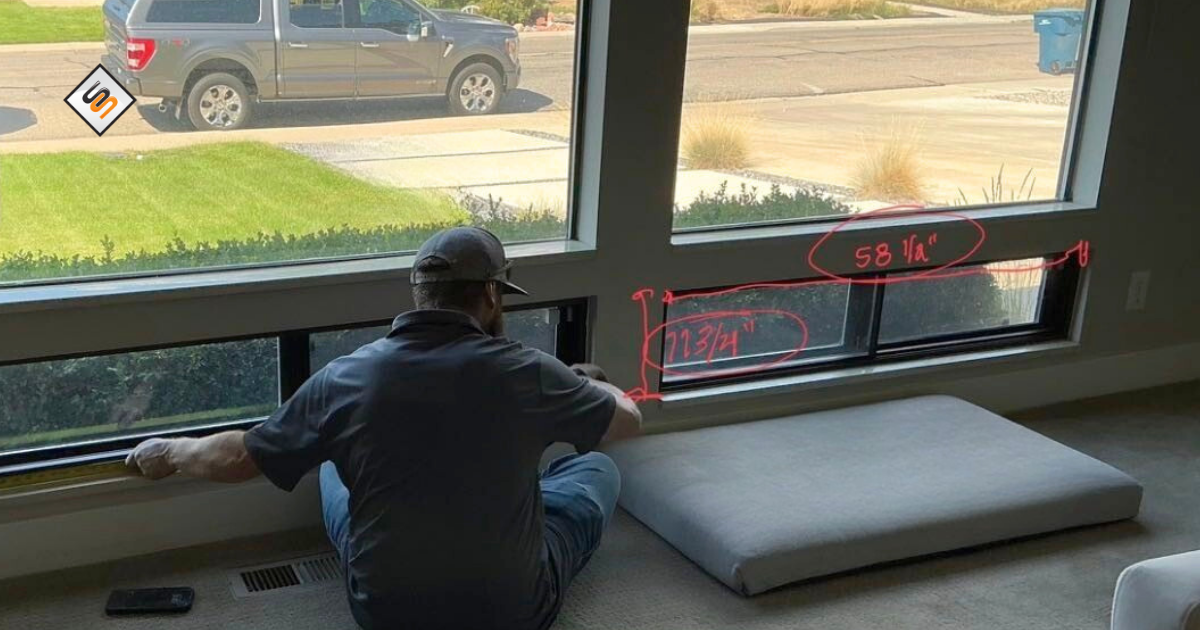
An exterior renovation is more than a visual upgrade. It can affect your home’s protection from weather, moisture management, energy efficiency, and curb appeal. A well-planned project helps reduce surprises and can make the entire process smoother from start to finish.
Homeowners often begin with one concern, such as damaged siding or outdated curb appeal, and then discover other issues during the project. That is why a full assessment is important before any work begins. A strong plan helps you choose the right scope of work instead of making rushed decisions later.
Check the condition first
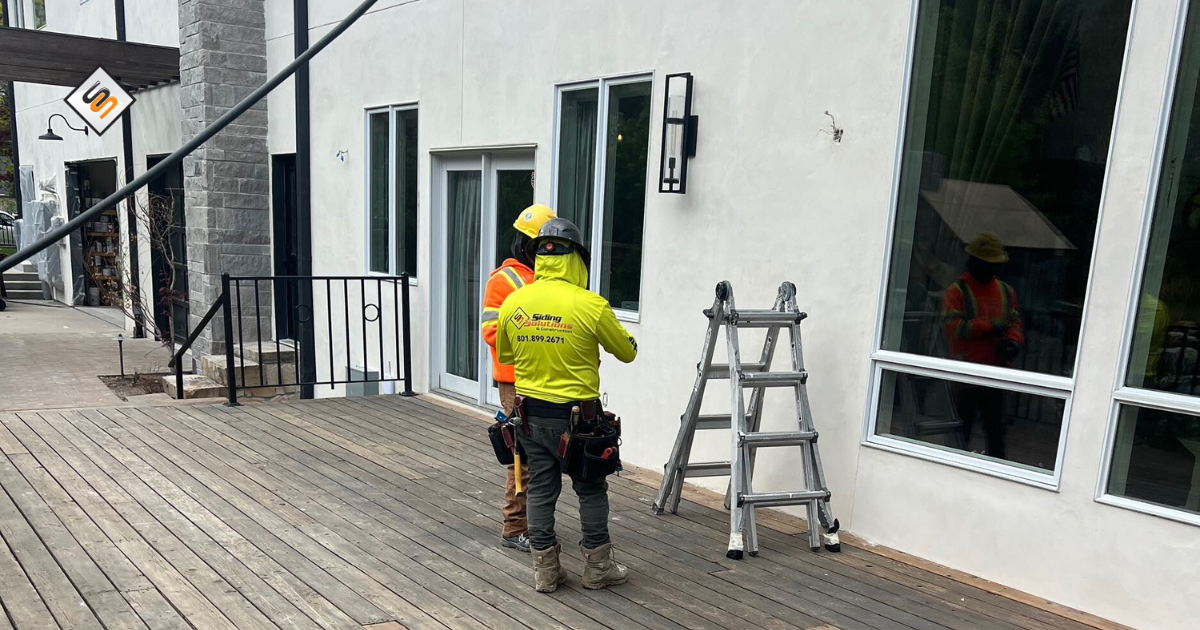
Before selecting materials or colors, inspect the current condition of your home’s exterior. Look for visible damage, soft spots, warped boards, peeling paint, gaps, water stains, or signs of pest activity. These issues may indicate that more than a cosmetic update is needed.
It is also smart to consider what is happening behind the surface. Exterior problems can sometimes be connected to flashing, trim, moisture exposure, or previous installation issues. A professional evaluation can help identify whether you need repair, replacement, or a broader renovation plan.
Set clear project goals
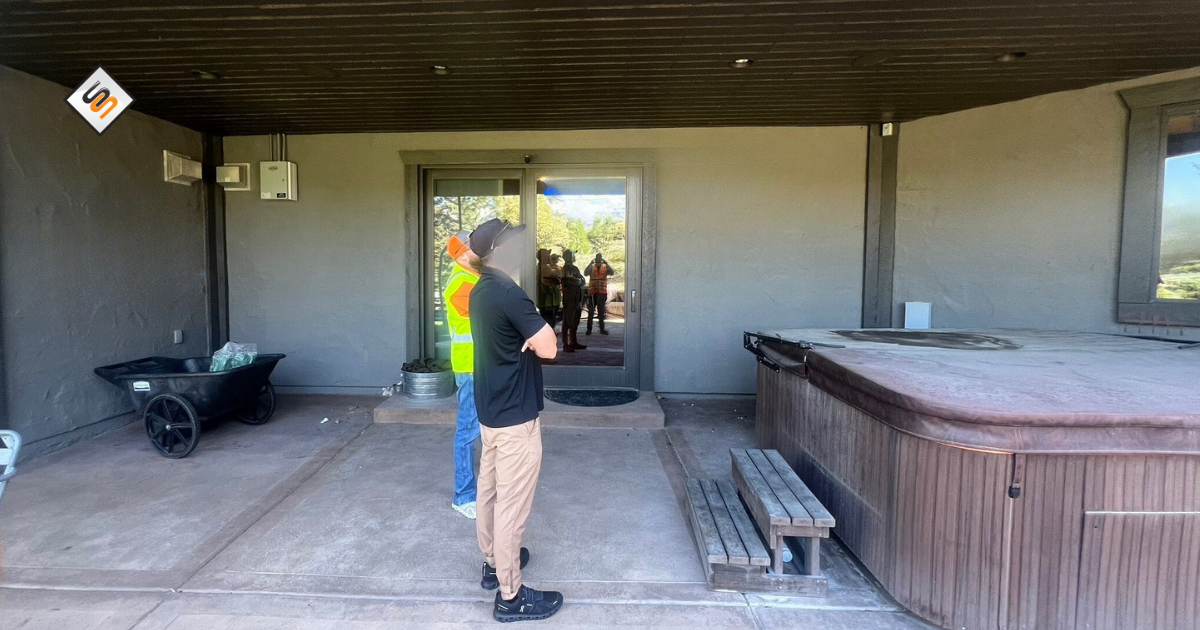
Every homeowner should define the goal of the renovation early. Some projects focus on improving curb appeal, while others are aimed at fixing damage, upgrading materials, or preparing a house for resale. Knowing the goal helps guide every other decision.
If you want better durability, that may lead you toward different siding choices than if your top priority is appearance. If you are renovating a home you plan to stay in for years, long-term performance may matter more than short-term savings. Clear priorities also make it easier to evaluate material options, project recommendations, and the overall value of the renovation.
Choose materials carefully
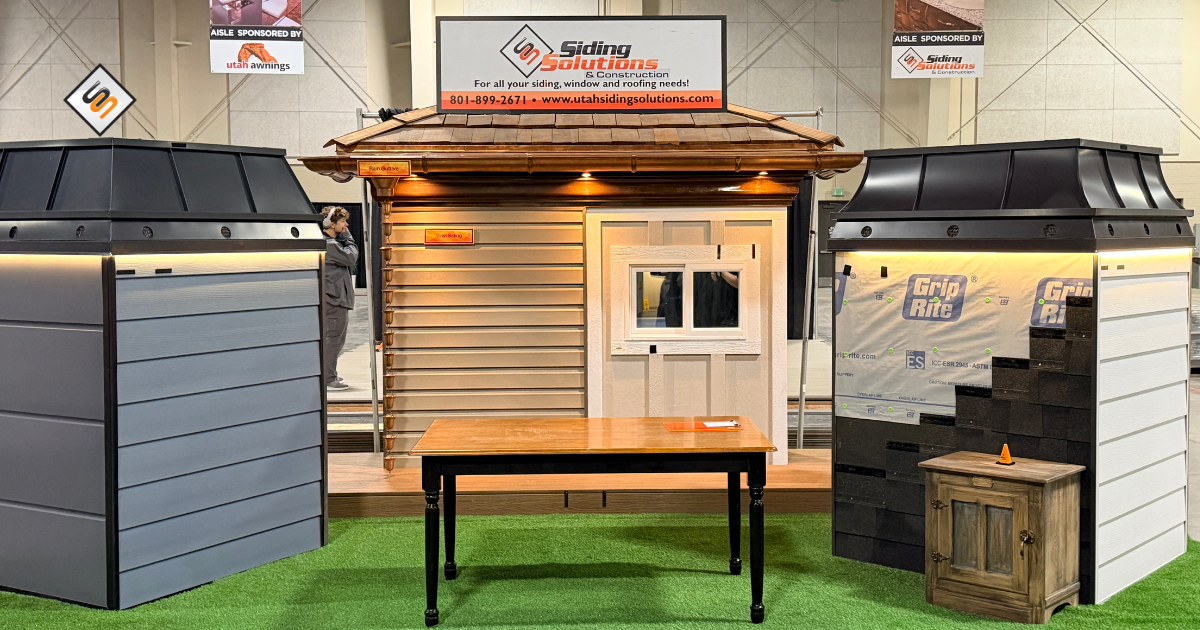
Material selection affects appearance, upkeep, durability, and overall cost. Common exterior materials include fiber cement, vinyl, and cedar, and each one has different strengths depending on the home and climate. The right choice depends on your goals, your budget, and the look you want.
Ask how each material performs in your local conditions and what maintenance it requires over time. A good exterior renovation should balance style with practical performance. Choosing the cheapest option is not always the most economical if it leads to earlier repairs or replacement.
Understand the budget
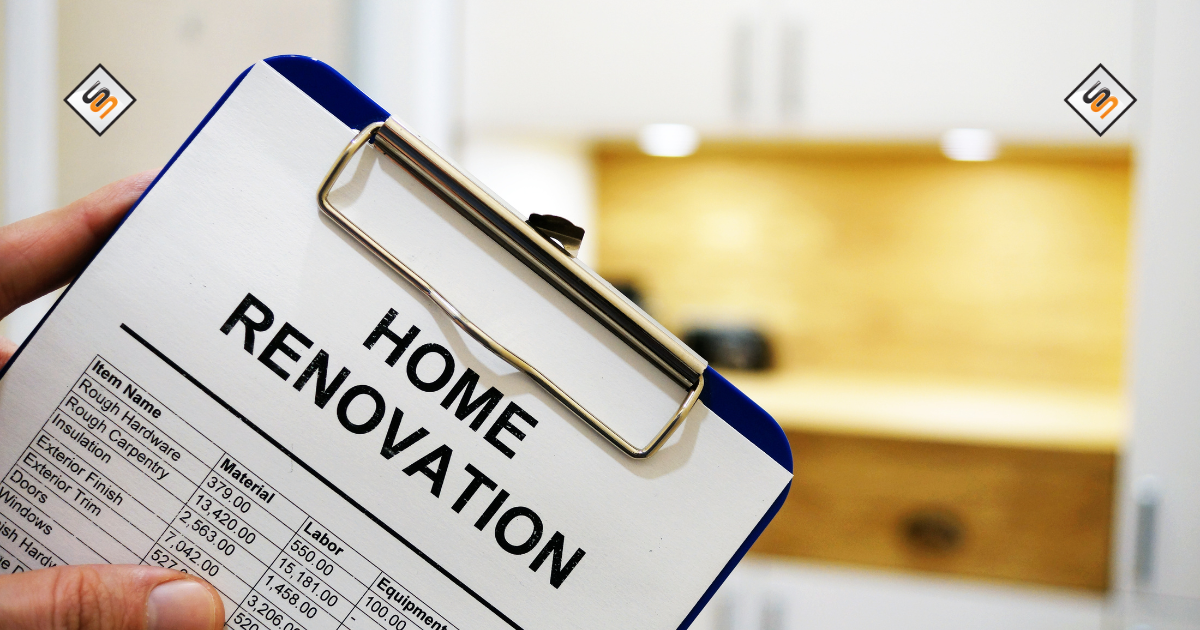
A realistic budget should include more than the base price of siding or exterior work. Labor, removal of old materials, trim, soffit, fascia, finishing details, and possible repairs to hidden damage can all affect the final cost. It is wise to plan for flexibility in case the project uncovers issues after demolition begins.
Homeowners should also take time to understand what is included in a project proposal. Materials, workmanship, warranties, preparation, cleanup, and repair scope can vary from one contractor to another. Focusing on overall quality, transparency, and long-term value often leads to better results than looking at price alone.
Ask about the process

Before signing a contract, ask how the project will be managed from start to finish. Find out who will be doing the work, how the timeline is structured, how communication will happen, and what happens if the project needs adjustments. Clear expectations can reduce stress during the renovation.
You should also ask whether the contractor handles cleanup, inspections, and any necessary permitting. The more you understand the process up front, the easier it is to keep the project on track. Good planning often separates a smooth renovation from a frustrating one.
For a closer look at how communication and project updates can make renovations easier for homeowners, read our blog: “How We Keep Homeowners Informed, Involved, and Stress-Free During Every Exterior Project.”
Prepare for your home
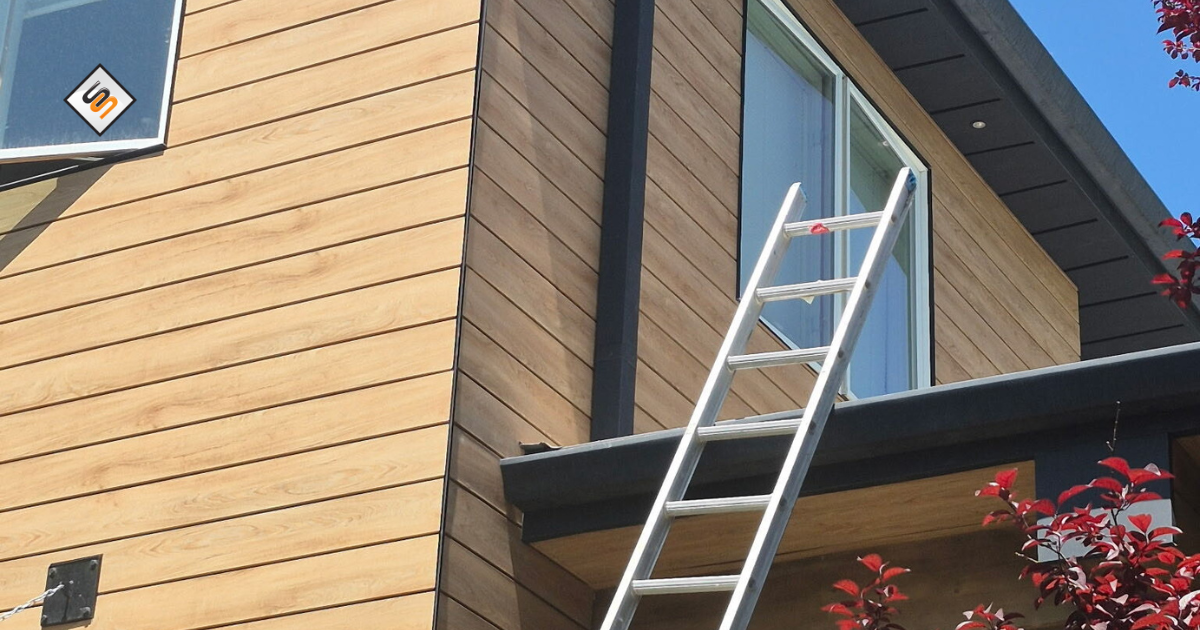
Homeowners can make the renovation easier by preparing the property in advance. That may include moving outdoor furniture, clearing access around the house, securing pets, and protecting landscaping. These simple steps can help the crew work efficiently and reduce the chance of accidental damage.
It is also helpful to know that exterior renovation work can create noise, dust, and temporary disruption. Planning ahead for access, parking, and daily routines can make the project feel more manageable. A little preparation goes a long way once work begins.
Work with the right contractor

The contractor you choose matters as much as the materials you select. Look for a company that communicates clearly, explains its recommendations, and gives you a detailed estimate. A trustworthy contractor should be willing to answer questions and walk you through the process.
For homeowners in Utah, Siding Solutions & Construction offers siding installation, siding repair, soffit, and fascia services with more than 20 years of experience, serving Salt Lake City and Utah County. If you are planning an exterior renovation, scheduling a free consultation can help you understand your options before you commit to a project.